
Mitral Valve Replacement Cost in India: Repair vs Replacement, Valve Types and What Drives the Price
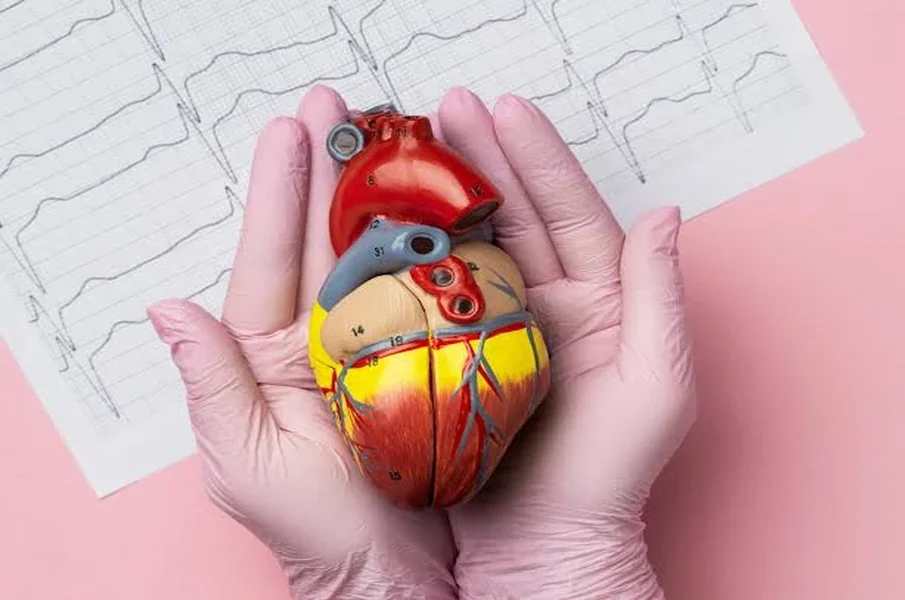
The mitral valve sits between the two left chambers of the heart and keeps blood flowing forward. When it leaks (regurgitation) or narrows (stenosis), the heart has to work harder, and over time this causes breathlessness, fatigue, palpitations and heart failure. If your cardiologist has mentioned surgery, you are probably asking two questions: does the valve need to be replaced or can it be repaired, and what will it cost? This article walks through both.
Mitral valve disease in brief
The common causes in India are:
- Rheumatic heart disease, still a major cause of mitral stenosis and regurgitation in younger adults
- Degenerative (myxomatous) disease, where the valve leaflets become floppy and prolapse
- Functional regurgitation after a heart attack or in a weakened heart
- Infection of the valve (endocarditis)
Mild disease is usually watched with periodic echocardiograms. Intervention is considered when symptoms appear, when the left ventricle starts to enlarge or weaken, or when pressure in the lungs rises. The mitral valve regurgitation causes, symptoms and treatment guide on the Heart Valve Experts site explains the staging in more detail.
Repair or replacement?
Surgeons prefer repair whenever the valve tissue allows it, especially for degenerative regurgitation. Repair keeps your own valve, avoids lifelong blood thinners in most cases and generally has better long-term outcomes. Replacement is chosen when the leaflets are heavily calcified or scarred (common in rheumatic disease), when a previous repair has failed, or when the anatomy is unsuitable. Your surgeon will usually be able to say from the echocardiogram which is more likely, though the final decision is sometimes made in the operating theatre.
For mitral stenosis, a catheter procedure called balloon mitral valvotomy can stretch the narrowed valve without surgery and costs far less than an operation; it is suitable only for certain valve shapes. For selected patients with regurgitation who are too high-risk for surgery, catheter-based edge-to-edge repair (TEER) is another option.
Mechanical vs tissue valve
If replacement is needed, the valve type is the single biggest decision and a major cost item.
| Feature | Mechanical valve | Tissue (bioprosthetic) valve |
|---|---|---|
| Durability | Decades | Roughly 10-15 years, less in younger patients |
| Blood thinners | Lifelong warfarin with regular INR tests | Usually only a few months |
| Typical age group | Younger patients | Older patients or those who cannot take warfarin |
| Implant price | Generally lower | Generally higher, especially imported |
A detailed comparison is in the mechanical valve vs tissue valve article. Your surgeon will weigh age, plans for pregnancy, bleeding risk, ability to attend INR monitoring and personal preference.
What drives the cost
The mitral valve replacement cost in india depends on:
- The valve itself: imported tissue valves and newer-generation mechanical valves cost more than Indian-made valves.
- Approach: conventional sternotomy versus minimally invasive surgery through a small right-chest incision. The latter may cost slightly more in theatre charges but can shorten hospital stay.
- Additional procedures done at the same time, such as tricuspid valve repair, atrial fibrillation ablation (maze) or coronary bypass.
- ICU and ward days: usually two to three ICU days and five to seven ward days; complications extend this.
- Room category, which in many Indian hospitals changes the whole package rate.
- City and hospital tier: large corporate hospitals in metro cities sit at the top of the range.
- Pre-operative tests: transoesophageal echo, coronary angiogram (for patients over 40 or with risk factors), blood tests, dental check-up.
Indicative ranges
As an approximate guide, surgical mitral valve replacement in Indian private hospitals is commonly quoted somewhere in the region of ₹3-8 lakh, with mitral repair in a broadly similar range depending on the ring and technique. Balloon mitral valvotomy typically costs a fraction of this. Transcatheter edge-to-edge repair with a clip device is far more expensive, often quoted around ₹25-35 lakh, mainly because of the imported device.
All these figures are indicative only and vary by city, hospital, valve, room choice and case complexity. The exact amount must come from your treating cardiac surgeon and the hospital’s written estimate. For a broader view across all valves, the heart valve replacement cost guide is useful.
Insurance
Most health insurance policies in India cover mitral valve surgery as an inpatient procedure, subject to sum insured, pre-existing-disease waiting periods and room-rent limits. Ayushman Bharat PM-JAY and several state schemes cover valve replacement at empanelled hospitals with fixed package rates. Ask the hospital’s insurance desk for a pre-authorisation estimate that lists the valve separately, because some policies cap implant costs.
Costs after discharge
- Warfarin and monthly INR tests (lifelong for mechanical valves)
- Antibiotic prophylaxis before dental work
- Follow-up echocardiograms at six weeks, six months and yearly
- Cardiac rehabilitation and physiotherapy
- Four to eight weeks off work
When to seek urgent help
Sudden severe breathlessness, inability to lie flat, chest pain, fainting or a rapid irregular heartbeat need emergency care. Do not postpone evaluation while comparing quotes; your cardiologist will tell you how soon the valve needs attention.
Summary
Ask first whether repair is possible, then which valve type suits your age and lifestyle, and only then compare written estimates on the same basis. Understanding what goes into the mitral valve replacement cost in india makes those conversations with your surgeon and insurer much easier.
Disclaimer: This article is for general information only and is not a substitute for medical advice. Please consult a qualified cardiologist or cardiac surgeon about your valve condition and an exact cost estimate.