How Sedation Dentistry Can Help During a Dental Emergency
Dental emergencies are often accompanied by intense pain, anxiety, and uncertainty. Whether caused by a severe toothache, a broken tooth, an abscess, or a traumatic injury, these situations demand immediate care. However, fear of dental procedures can make it difficult for patients to seek treatment promptly, worsening the condition and increasing the risk of complications. In such circumstances, modern pain- and anxiety-management techniques become essential.
For many patients, especially those with dental phobias or low pain tolerance, sedation dentistry provides a safe and effective way to undergo urgent treatment without distress. By calming the nervous system and reducing awareness of the procedure, sedation enables dentists to perform necessary interventions efficiently while keeping the patient comfortable.
Seeking prompt care from a qualified dentist in Lake Mary or a similar emergency dental provider ensures that both the physical problem and emotional stress are addressed simultaneously. This comprehensive approach not only resolves the immediate issue but also helps patients regain confidence in dental care.
Understanding Dental Emergencies That Require Immediate Attention
Dental emergencies encompass a wide range of conditions, many of which can escalate rapidly if untreated. Severe infections, trauma, or structural damage to teeth and gums can lead to long-term complications affecting oral and overall health.
Everyday emergencies include:
- Intense tooth pain caused by deep decay or nerve infection
- Broken, cracked, or knocked-out teeth
- Dental abscesses with swelling and pus formation
- Bleeding that does not stop
- Injuries to soft tissues of the mouth
- Lost crowns or fillings causing sensitivity
In these scenarios, time is critical. Immediate treatment can relieve pain, prevent the spread of infection, and preserve natural teeth.
What Is Sedation Dentistry and How Does It Work?
Sedation helps patients relax during dental procedures. It does not necessarily induce complete unconsciousness; instead, it ranges from mild relaxation to deep sedation depending on the method used and the patient’s needs.
Sedative medications act on the central nervous system, reducing anxiety, pain perception, and memory of the procedure. Many patients remain responsive but feel calm, detached, or drowsy throughout treatment.
Because dental emergencies often require complex procedures, such as root canal therapy, extractions, or surgical repair, sedation allows dentists to complete treatment efficiently without causing additional stress.
Types of Sedation Used in Emergency Dental Care
Different levels of sedation are available, allowing treatment to be tailored to individual comfort and medical conditions.
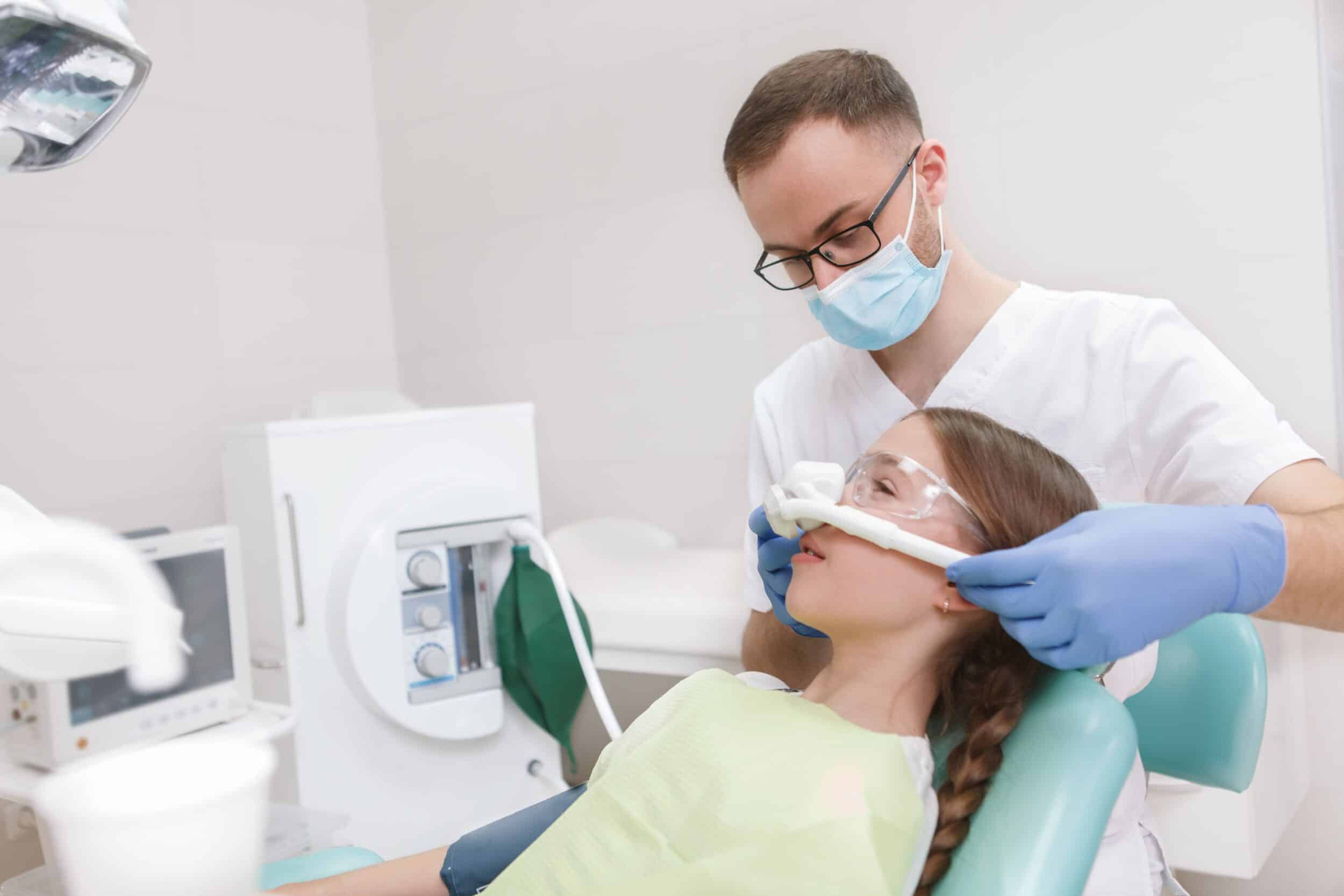
Nitrous oxide, commonly known as laughing gas, is inhaled through a mask and produces a mild calming effect. It acts quickly and wears off rapidly, allowing patients to resume normal activities soon after treatment.
Oral sedation involves taking a prescribed medication before the appointment. This method induces moderate relaxation and may cause drowsiness, but patients remain conscious and able to communicate.
Intravenous (IV) sedation provides deeper relaxation and is administered directly into the bloodstream. It is often used for more complex procedures or for patients with severe anxiety.
General anesthesia, which renders the patient entirely unconscious, is reserved for extensive surgeries or cases where other methods are insufficient.
Benefits of Sedation During Dental Emergencies
Sedation offers numerous advantages that extend beyond anxiety relief. Minimizing physical and emotional distress, it enables both the patient and the dentist to focus on resolving the urgent problem.
Key benefits include:
- Reduced fear and panic
- Improved pain control
- Suppressed gag reflex
- Ability to complete lengthy procedures in one visit
- Minimal memory of the treatment
- Enhanced cooperation from anxious patients
These advantages are particularly valuable when treating children, individuals with special needs, or patients who have avoided dental care due to past traumatic experiences.
Safety Considerations and Monitoring
Safety is a top priority during any form of sedation. Dental professionals carefully evaluate medical history, medications, allergies, and overall health before selecting the appropriate technique.
Throughout the procedure, vital signs such as heart rate, blood pressure, oxygen levels, and breathing are continuously monitored. Emergency equipment and trained personnel are always available to manage unexpected reactions, although serious complications are rare.
Patients are typically advised to arrange transportation home if moderate or deep sedation is used, as drowsiness may persist for several hours.
How Sedation Facilitates Complex Emergency Procedures
Dental emergencies often require interventions that would be difficult to perform on a highly anxious or uncomfortable patient. Procedures such as surgical extractions, abscess drainage, or multiple restorations demand precision and time.
Sedation allows dentists to work efficiently without interruptions caused by discomfort or panic. Muscles remain relaxed, making it easier to access the affected area and perform delicate procedures safely.
For patients, this means faster pain relief and fewer appointments, especially important when dealing with acute conditions.
Recovery After Sedation Dentistry
Recovery experiences vary depending on the type of sedation used. Patients who receive nitrous oxide usually recover quickly and can resume normal activities shortly afterward. Those who undergo oral or IV sedation may feel groggy, sleepy, or slightly disoriented for several hours.
Common post-sedation effects include mild dizziness, dry mouth, or temporary memory gaps. These symptoms typically resolve without intervention.
Patients are advised to rest, avoid driving or operating machinery, and follow all post-treatment instructions carefully. Adequate hydration and light meals help speed recovery.
Addressing Dental Anxiety for Future Care
One of the most valuable long-term benefits is the positive impact on patients’ attitudes toward dental treatment. Experiencing pain-free, stress-free care can reduce fear and encourage regular checkups, preventing future emergencies.
Dentists often use sedation as part of a broader anxiety-management strategy, combining it with compassionate communication, patient education, and gradual exposure to routine procedures.
By rebuilding trust, sedation helps break the cycle of avoidance that often leads to severe dental problems.
Who Can Benefit Most from Sedation in Emergencies
While many patients can benefit from sedation, certain groups find it particularly helpful. These include individuals with severe dental phobia, low pain tolerance, strong gag reflexes, or difficulty sitting still for extended periods.
Patients with complex medical conditions, special needs, or traumatic past experiences may also require sedation to receive necessary care safely and comfortably.
A personalized assessment ensures that the chosen method aligns with the patient’s health status and treatment requirements.
Preventing Future Dental Emergencies
Although sedation can make emergency treatment manageable, prevention remains the best approach. Regular dental visits, good oral hygiene, and prompt attention to minor issues can significantly reduce the risk of crises.
Protective measures such as wearing mouthguards during sports, avoiding hard foods that can crack teeth, and maintaining a balanced diet also contribute to long-term oral health.
By addressing problems early, patients can avoid the pain, stress, and urgency associated with dental emergencies.
Comfort and Care When It Matters Most
Dental emergencies are stressful experiences that combine physical pain with emotional distress. Sedation dentistry offers a powerful solution by allowing urgent treatment to be delivered safely, efficiently, and without fear.
Through modern techniques and careful monitoring, patients can receive life-saving dental care while remaining calm and comfortable. This not only resolves immediate problems but also fosters a more positive relationship with dental health in the future.
When sudden oral pain or injury occurs, knowing that compassionate, anxiety-free care is available provides reassurance.