Health Anxiety About Skin Conditions: Tips for Management
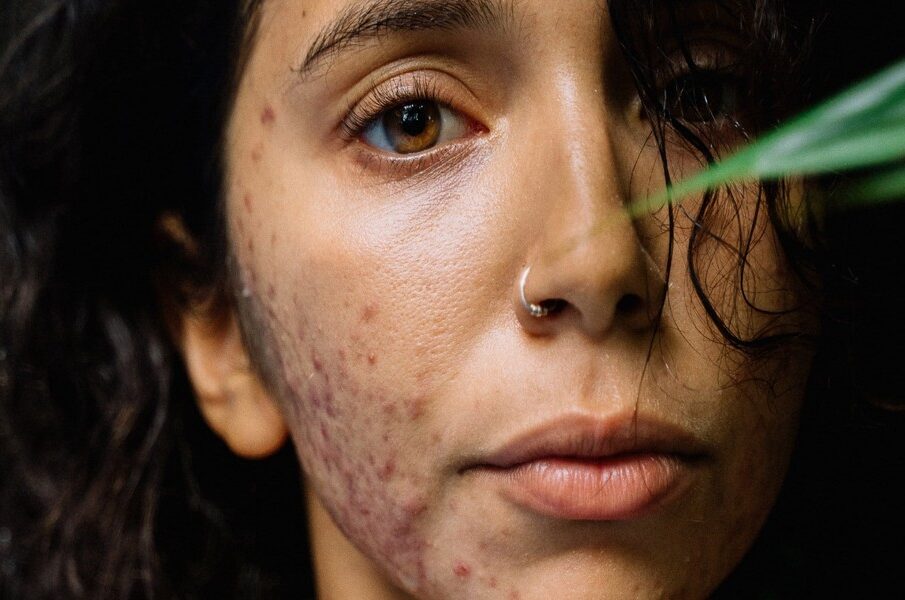
Many individuals experience intense worry over their complexion, a concern often termed health anxiety. When focused on dermatological issues, this distress can become overwhelming.
A 2020 UK government survey revealed a stark reality. It found that 98% of people with a skin disease reported impacts on their emotional and psychological wellbeing. Yet, only 18% had accessed any form of support for this burden.
This highlights a critical gap. Chronic dermatological disorders like acne or rosacea are not just physical. They can deeply affect a person’s state of mind.
Conversely, psychological strain can often worsen visible symptoms. This creates a challenging two-way link between the body and emotions.
This article explores that connection. It will offer practical strategies for managing both the physical signs and the accompanying psychological load. The goal is to foster better overall wellness.
Remember, this information is for educational purposes. Anyone feeling significant distress should seek guidance from a qualified professional.
Key Takeaways
- Health anxiety focused on the skin is a common experience.
- Nearly all UK patients with dermatological issues report emotional impacts.
- A large gap exists between those affected and those receiving psychological support.
- There is a bidirectional relationship between skin and mental state.
- Effective management addresses both physical symptoms and psychological burden.
- Professional help is available and should be sought if distress is high.
Overview of Skin Conditions and Mental Health
Society’s focus on flawless appearance magnifies the psychological toll of visible dermatological problems. Chronic issues like acne or eczema are not just physical. They can deeply affect a person’s state of mind and daily life.
Impact on Self-esteem and Emotional Wellbeing
Living with a persistent visible condition often leads to intense self-consciousness. Many people report a negative self-image and reduced confidence. Research underscores this link.
A recent study found individuals with eczema were 13.6% more likely to experience anxiety than the general population. This data highlights the significant emotional impact.
Social Anxiety, Isolation and Stigmatisation
Fear of judgement can make social situations daunting. Work events, parties, or even school may be avoided. This withdrawal can damage relationships.
It fosters feelings of loneliness and shame. In severe cases, such isolation is linked to profound despair. The psychological burden is a valid part of the patient experience.
| Dermatological Issue | Common Psychological Symptoms | Typical Social Impact |
|---|---|---|
| Acne | Reduced self-esteem, embarrassment | Avoidance of cameras or close contact |
| Eczema | Anxiety, frustration from itching | Reluctance to wear short sleeves or swim |
| Melasma | Self-consciousness about pigmentation | Increased use of makeup for coverage |
This table illustrates how different symptoms correlate with specific psychological and social effects. Recognising these patterns is the first step toward holistic management.
Understanding Health Anxiety About Skin Conditions
For some, the mirror reflects not just an image but a source of escalating dread centred on perceived imperfections. This specific form of distress, where worry about complexion dominates, is a recognised psychological condition.
Defining the Condition and Its Triggers
It differs from general worry. It manifests as repetitive, draining thoughts and actions focused on dermatological appearance. Common signs include constant checking, picking, or endlessly searching for new treatments.
Specific events often act as triggers. A visible flare-up, an upcoming social event, or even a casual comment can initiate or worsen this anxiety. Photographs and reflective surfaces can become sources of fear.
This preoccupation activates the body’s stress response. It creates a cycle of heightened vigilance and worry about real or imagined flaws. The resulting stress can, in turn, aggravate the physical skin.
In severe cases, this can develop into Body Dysmorphic Disorder (BDD). This is an obsessive focus on perceived flaws that may be minor or invisible to others. Individuals may engage in excessive checking and harsh self-criticism.
They often perceive their appearance as far worse than others do. Recognising when normal concern crosses this line is vital. Seeking professional support is a crucial step for better health.
Physiological and Emotional Impact of Stress on the Skin
Stress is not just a feeling; it’s a physiological event with measurable effects on tissue. When the mind feels pressured, it triggers the body‘s alarm system.
This system releases a flood of hormones, including adrenaline and cortisol. These chemicals prepare the body for a ‘fight or flight’ response.
Stress Hormone Response and Cortisol Effects
The hormone cortisol has a direct impact. It signals the sebaceous glands to produce more oil, or sebum.
Excess sebum can clog pores. This is a primary contributor to acne breakouts and flare-ups.
Simultaneously, stress prompts a release of histamine. This is the same chemical involved in allergic reactions.
It can cause the complexion to become red, itchy, or develop hives. The skin may react as if it has encountered an allergen.
Inflammation, Acne Flare-ups and Other Reactions
Chronic strain also weakens the body‘s ability to manage inflammation and fight bacteria. This makes the skin more vulnerable.
It becomes slower to heal from existing issues. A self-perpetuating cycle can then begin.
Stress triggers a flare-up, the visible problem causes emotional distress, and that distress releases more hormones, worsening the condition.
Furthermore, adrenaline and cortisol increase heart rate and redirect blood flow. This can divert resources away from the skin, further impairing its repair.
| Stress Hormone | Primary Action | Result on Skin |
|---|---|---|
| Cortisol | Increases sebum (oil) production | Clogged pores, acne breakouts |
| Adrenaline | Raises heart rate, shifts blood flow | Potential impact on healing capacity |
| Histamine | Triggers inflammatory response | Redness, hives, allergic-like irritation |
Research confirms that even mild stress can compromise skin integrity. It makes conditions more reactive and recovery more difficult.
Effective Coping Strategies and Lifestyle Adjustments
Effective management of wellbeing hinges on a dual strategy. It involves reducing external pressures and strengthening internal coping mechanisms. This approach is crucial for those managing skin-related worries.
Self-care, Mindfulness and Meditation Techniques
Mindfulness and meditation are powerful tools for calming the mind. Practices like guided imagery or deep breathing can interrupt cycles of worry.
Journaling thoughts provides a helpful outlet. These techniques encourage present-moment awareness, reducing the impact of stress.
Making time for activities that promote wellbeing is a form of self-care. Consistent practice builds emotional resilience.
Diet, Sleep and Physical Exercise Recommendations
Prioritising sleep is foundational. Aim for 7-9 hours nightly with a calming bedtime routine to lower stress levels.
Nutrition plays a key role. Focus on anti-inflammatory foods rich in vitamin B and magnesium. These support both mind and skin health.
Stay hydrated by drinking approximately one-third of your body weight in ounces of water daily. Regular physical exercise is one of the best stress busters.
It lowers cortisol and stimulates endorphins. These lifestyle changes require commitment but offer profound help.
Role of Professional Support in Skin Health Management
Seeking expert guidance is a pivotal step for anyone struggling with persistent dermatological concerns. Managing both physical symptoms and emotional distress requires a structured approach. Qualified professionals provide the essential foundation for this.
Consulting Specialists and Surgical Arena Ltd
A first appointment with a GP is crucial. They can assess symptoms, offer initial treatment, and refer to a dermatologist if needed. This specialist in dermatology can perform a detailed assessment.
They create a personalised care plan. For complex cases, clinics like Surgical Arena Ltd offer advanced treatments. Finding the right solution often takes time and patience.
A patient may need to try several treatments. What works for one person may not for another. A doctor guides this process safely.
Building a Support Network and Therapy Options
Psychological help is equally important. Counselling and Cognitive Behavioural Therapy (CBT) are highly effective. They help individuals reframe unhelpful thoughts and build coping strategies.
Building a support network is key. This includes medical professionals, therapists, and peer groups. Connecting with others facing similar challenges reduces isolation.
This holistic care addresses the whole patient experience. It improves quality of life by tackling both visible signs and inner worry. A dermatologist and therapist working together offer the most comprehensive treatment.
Insights from The Psychodermatologist
The specialised field of psychodermatology offers crucial insights into the mind-skin connection. This discipline bridges dermatology and psychology to address the complex relationship between visible skin issues and mental wellbeing.
Expert Advice on Emotional Resilience and Self-care
Expert advice emphasises developing emotional strength when managing a long-term issue. Self-awareness and self-compassion are foundational. Realistic expectations about treatment outcomes can reduce frustration.
The psychological state directly influences dermatological results. Addressing emotional stress can positively impact the skin, and vice versa. This bidirectional relationship requires integrated care.
Identifying external pressures is key. Work commitments or financial worries can exacerbate symptoms. Practical information suggests talking to a manager about workload or consulting a financial adviser. Further information on support services is often available through healthcare providers.
Assertiveness and honest communication about needs are vital. This applies to employers, family, and healthcare providers. Reducing stress through clear dialogue improves condition management.
Self-care strategies include setting boundaries and prioritising personal wellbeing. Recognising when professional psychological support is needed is also part of expert advice. The Psychodermatologist highlights that integrated approaches address both physical symptoms and psychological factors.
Integrating Holistic Approaches for Better Skin and Mind
A holistic approach to wellness recognises that the mind and body are not separate systems but are deeply interconnected. Effective management therefore requires strategies that address both physical symptoms and emotional wellbeing at the same time.
Mind-Body Connection and Stress Management Techniques
Evidence strongly supports this link. A recent survey found 90% of healthcare professionals agree that high stress can worsen dermatological conditions.
Ongoing pressure can interfere with the skin‘s barrier function. This makes it more vulnerable to irritants and slows healing. Managing this stress is a core part of treatment.
Combining Dermatological and Mental Health Practices
Integrated care combines conventional treatment with psychological support. This might mean a dermatologist and therapist working in coordination.
Practical ways to implement this include consistent self-care routines and monitoring both physical and emotional responses. It empowers individuals to take active control.
This holistic model addresses root causes, not just symptoms. It offers comprehensive support for the complex pressures people face, leading to better long-term outcomes for both skin and mental health.
Conclusion
The journey towards better wellbeing for those with long-term skin conditions is built on understanding, compassion, and proactive steps. Conditions like acne, eczema, psoriasis, and rosacea significantly affect emotional wellbeing and quality of life for many people.
The cycle where stress worsens symptoms, leading to more anxiety, can be broken. Integrated management approaches address both physical and psychological aspects.
A variety of effective treatments and lifestyle changes are available. Finding the right combination takes time and guidance from professionals.
Seeking support from doctors and mental health experts is invaluable. Building a network with others facing similar challenges reduces isolation.
Remember, your complexion does not define your worth. With patience and consistent care, symptom control and improved mental health are achievable goals. Reach out for advice and take that first step today.